

The Best Handgun Ammo for Self-Defense and Range Shooting
The first self-contained metallic handgun cartridge appeared in the 1850s, yet modern defensive loads still 6.5 Creedmoor Ammo for Sale rely on the same core principle: a primer, propellant, and projectile sealed within a brass case. When the firing pin strikes, the primer ignites the powder, generating high-pressure gas that propels the bullet down the barrel with predictable velocity and expansion. For concealed carry, selecting a jacketed hollow point ensures reliable terminal performance, as its controlled expansion creates a larger wound channel while limiting over-penetration risks. Proper bullet weight and velocity matching to your firearm’s barrel length is essential for achieving consistent feeding and accuracy.

Why the Right Cartridge Matters More Than the Gun Itself
The right cartridge matters more than the gun itself because it dictates terminal performance, recoil management, and feed reliability in ways the firearm frame cannot override. A 9mm round with proper expansion will stop a threat more effectively than a poorly loaded .45 ACP, regardless of the pistol’s brand or barrel length. Similarly, a defensive hollow point that fails to cycle in a given magazine or extractor will jam even a premium handgun, while a compatible load runs flawlessly in a budget model. Recoil impulse from the cartridge affects follow-up shot speed more than grip texture or trigger weight.
Your handgun only delivers the ammo; the ammo does the actual work on target.
Choose the specific bullet weight and pressure rating that your firearm cycles and that meets your penetration needs, and the gun becomes secondary.
How Bullet Weight and Velocity Change Your Shooting Experience
Heavier bullets, like 147-grain 9mm, feel like a firm shove—they cycle slower, soften recoil, and punch through barriers, but Shotgun Ammo for Sale they drop noticeably at longer ranges. Lighter, faster loads, say 115-grain, crack sharper, fly flatter, and give quicker target reacquisition, though muzzle flip feels snappier. Velocity directly affects expansion: too slow and hollow points under-expand; too fast and they over-penetrate. For defensive shooting, bullet weight and velocity trade-offs decide whether follow-up shots stay on target or drift. A fast light round zips, a slow heavy one thuds—your grip, sight picture, and split times all shift accordingly. Choose based on how the combination feels in your hands, not just the box specs.
Heavier rounds soften recoil and penetrate deeper; lighter ones shoot flatter and faster—so matching weight and velocity to your hand strength and target distance transforms every trigger pull.
Understanding Pressure Levels and What They Mean for Your Firearm
Understanding pressure levels is critical because every handgun is engineered around a specific maximum average pressure, usually measured in pounds per square inch (PSI) or copper units of pressure (CUP). Exceeding the published pressure limit for your firearm can cause case head separation, extractor damage, or catastrophic frame failure, while operating far below it reduces slide velocity and can cause failure to cycle. Load data from the bullet or powder manufacturer lists a starting charge and a maximum charge; the difference between those represents the safe pressure window for your barrel and chamber. What feels like a “snappy” recoil in one gun may indicate over-pressure in a lighter alloy frame of the same caliber. Always cross-reference your barrel length and bullet weight against the pressure table, since a shorter barrel often produces lower pressure, allowing you to safely approach the upper charge limit only if the gun is in good condition.
Breaking Down the Anatomy of a Pistol Round
A pistol round’s anatomy is a study in precision, beginning with the cartridge case that houses all components. The primer, seated in the case head, ignites the propellant when struck by the firing pin, creating rapidly expanding gas. The bullet itself—whether full metal jacket or hollow point—is seated at the case mouth, and its weight and profile directly dictate pressure and trajectory. Crucially, the case’s rim and extractor groove must match your handgun’s feed ramp and extractor for reliable cycling. Understanding this handgun ammo architecture helps you diagnose malfunctions, like a light primer strike versus a short-seated bullet, and informs safe reloading practices. Each element—case, primer, powder, and projectile—works as a linked system, and altering one without considering the others compromises ballistic consistency.
The Role of the Primer, Powder, and Projectile in Every Shot
Each shot begins when the firing pin strikes the primer’s shock-sensitive compound, which detonates and directs a flash through the flash hole into the case. That ignition instantly burns the powder charge, generating high-pressure gas that expands at a controlled rate; burn speed must match barrel length to avoid incomplete combustion or pressure spikes. This gas then drives the projectile down the bore, with its mass and friction dictating how efficiently the pressure converts into muzzle velocity. Primer sensitivity, powder granulation, and bullet seating depth are interdependent—alter one, and pressure curves shift, affecting recoil impulse, accuracy, and terminal performance. For handgun rounds, a consistent primer seat and uniform powder fill are critical to avoid velocity spreads that impact point of impact.
Jacketed vs. Lead Nose: What’s Actually Inside the Shell
The core difference between jacketed and lead-nose bullets lies in the exposed core. A **lead-nose round** is pure, soft lead, which deforms and expands aggressively on impact, but it also fouls the barrel with residue and can produce significant smoke. Conversely, a jacketed bullet—typically full metal jacket (FMJ) or a jacketed hollow point—wraps that lead core in a copper or gilding-metal shell. This copper shell prevents barrel lead fouling, ensures reliable feeding in semi-automatics, and controls expansion. For practice, FMJ is the standard; for defense, a jacketed hollow point’s controlled expansion is superior to raw lead’s unpredictable mushrooming.
Q: Is a lead-nose bullet safer for my pistol’s barrel than a jacketed one?
A: No. Lead nose leaves hard-to-remove lead shavings, while jacketed rounds actually protect the barrel from direct lead contact, though they cause more wear at high velocities.
How to Pick Between Full Metal Jacket and Hollow Points
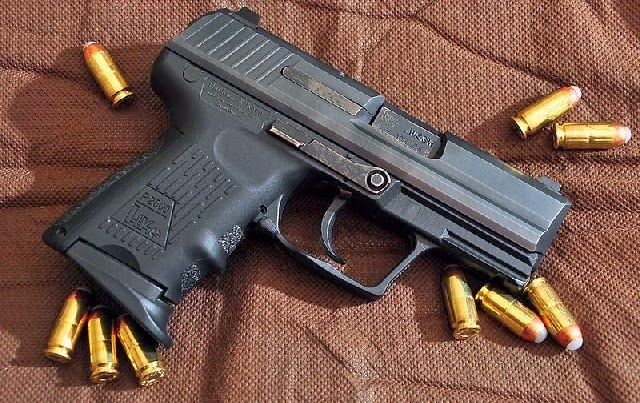
Choosing between full metal jacket (FMJ) and hollow points for handgun ammo hinges on your intended use. For range practice, FMJ is the practical pick because its hard, enclosed lead core feeds reliably, reduces barrel fouling, and costs less, letting you train more without worrying about terminal performance. For self-defense, hollow points are superior because their expanding nose creates a larger wound channel and, critically, reduces the risk of over-penetration through walls or a 7mm WSM Ammo for Sale threat, which is a life-or-death safety consideration in a home. Test your chosen hollow point in your specific handgun to confirm it cycles flawlessly, as some defensive loads have slightly different recoil profiles.
The core rule: train with FMJ for economy and mechanics, but carry hollow points for their controlled expansion and reduced risk to bystanders.
Never use hollow points for simple target shooting, as they are significantly pricier and their expansion is wasted on paper.
When to Use FMJ for Practice and Target Drills
Full metal jacket rounds are your primary tool for practice and target drills because their lower cost and reliable feeding let you build muscle memory without burning through your defensive stash. Use FMJ for all routine range sessions, malfunction drills, and speed reload practice, as the flat-based bullet profiles mimic the dimensions of hollow points closely enough for functional training. Reserve FMJ for dedicated accuracy work and sight-zeroing, too, since their consistent ballistic shape produces tighter, repeatable groups at standard practice distances. Save your hollow points exclusively for function-testing your carry magazine and confirming zero with your actual self-defense load.
- Run FMJ for high-volume shooting to protect your budget.
- Choose FMJ when practicing reloads and draw-and-fire sequences.
- Use FMJ for initial zeroing before switching to carry ammo.
Why Hollow Points Expand and How That Benefits Self-Defense
Hollow points expand due to a engineered cavity at the bullet’s tip; upon striking soft tissue, hydraulic pressure forces the projectile’s jacket to peel outward, increasing its diameter. This expansion creates a larger wound channel and, critically, reduces penetration depth, lowering the risk of over-penetration through walls or a threat. For self-defense, this means more reliable stopping power because the expanded bullet transfers energy efficiently, while also minimizing collateral danger to bystanders. The mushrooming effect is designed specifically for defensive scenarios, where controlled expansion and retained weight matter more than deep, unimpeded travel. Ultimately, expansion turns a fast, narrow round into a wider, more effective stopper within a few inches of entry.

Caliber Showdown: Matching the Round to Your Shooting Goal
Picking handgun ammo isn’t about hype—it’s about matching the round to what you’ll actually do. For plinking, a light 9mm or .22 LR keeps cost low and recoil manageable, letting you burn through boxes without flinching. Self-defense flips the script: you want a heavier, proven expander like 9mm +P or .45 ACP, prioritizing penetration and stopping power over shootability. Competition shooters often split the difference—a .38 Super or hot .40 S&W gives flat trajectories and fast follow-ups. Think of it as a trade-off: velocity, energy, and control rarely align perfectly, so choose the compromise that serves your goal. Quick Q&A: Q: Is a .380 enough for concealed carry? A: Only if you can place shots accurately under stress—otherwise step up to 9mm for better terminal performance. Ultimately, test a few loads at the range; your hands and your target will tell you the truth.
Popular 9mm Loads for Recoil, Accuracy, and Magazine Capacity
The 9mm’s unmatched Rimfire Ammo for Sale popularity in handgun ammo stems from how its loads balance recoil, accuracy, and magazine capacity. For competition shooters, 124-grain jacketed flat points at 1,100 fps offer a flat trajectory and minimal muzzle flip, while 147-grain subsonic rounds deliver softer felt recoil—ideal for rapid follow-up shots. Defensive loads like Federal HST 124-grain +P push accuracy potential without punishing your grip, preserving the 9mm’s high-capacity advantage in a compact frame. Home-defense shooters often opt for 115-grain range loads during training to mirror the snappier recoil of premium ammo, ensuring their muscle memory holds under stress. Popular 9mm loads for recoil, accuracy, and magazine capacity prove you don’t sacrifice control for round count.
Q: Which Ammunition for Sale 9mm load gives the best accuracy with manageable recoil in a compact pistol?
A: 124-grain FMJ at standard pressure—it cycles reliably, reduces muzzle rise vs. 115-grain, and keeps your sights tracking true for faster, tighter groups.
Comparing Stopping Power of .40, .45, and Compact Rounds

When comparing stopping power, the .40 S&W delivers a sharp, high-pressure punch that mimics .45 ACP energy in a hotter, flatter package, yet its recoil impulse feels snappier. The .45’s slower, heavier bullet creates a wider permanent cavity on impact, often considered the benchmark for one-shot deterrence, but compact rounds like 9mm or .380 prioritize capacity and control over raw force. Stopping power ultimately hinges on shot placement and penetration depth—a well-placed compact round outperforms a glancing .45 hit. For concealed carry, choose expanding ammunition to offset velocity loss from shorter barrels.
Q: Does a compact round ever match .40 or .45 stopping power?
A: Only with premium bonded hollow points that expand reliably at low velocities—yet you trade energy transfer for faster follow-up shots, so it’s a tactical compromise, not an equalizer.
Step-by-Step Guide to Reading Box Labels Like a Pro
Start by locating the caliber designation, such as 9mm Luger or .45 ACP, and verify it matches your handgun’s barrel stamp. Next, identify the bullet weight in grains—heavier projectiles like 147-grain offer deeper penetration, while lighter 115-grain loads yield faster velocities. Check the cartridge’s velocity (fps) and muzzle energy (ft-lbs) Rifle Ammo for Sale to gauge recoil and stopping power. Examine the bullet type: full metal jacket for range practice, hollow points for defensive expansion. Finally, read the primer type—boxer primers are reloadable, while berdan are not. Reading box labels like a pro means always confirming the lot number for consistency, then noting pressure ratings like +P, which signal higher-pressure loads that require a sturdy firearm. Master this step-by-step guide to prevent misfeeds and match your ammo to your specific shooting goal, whether target shooting or personal protection.
Decoding Grains, Velocity Ratings, and Bullet Style on the Box
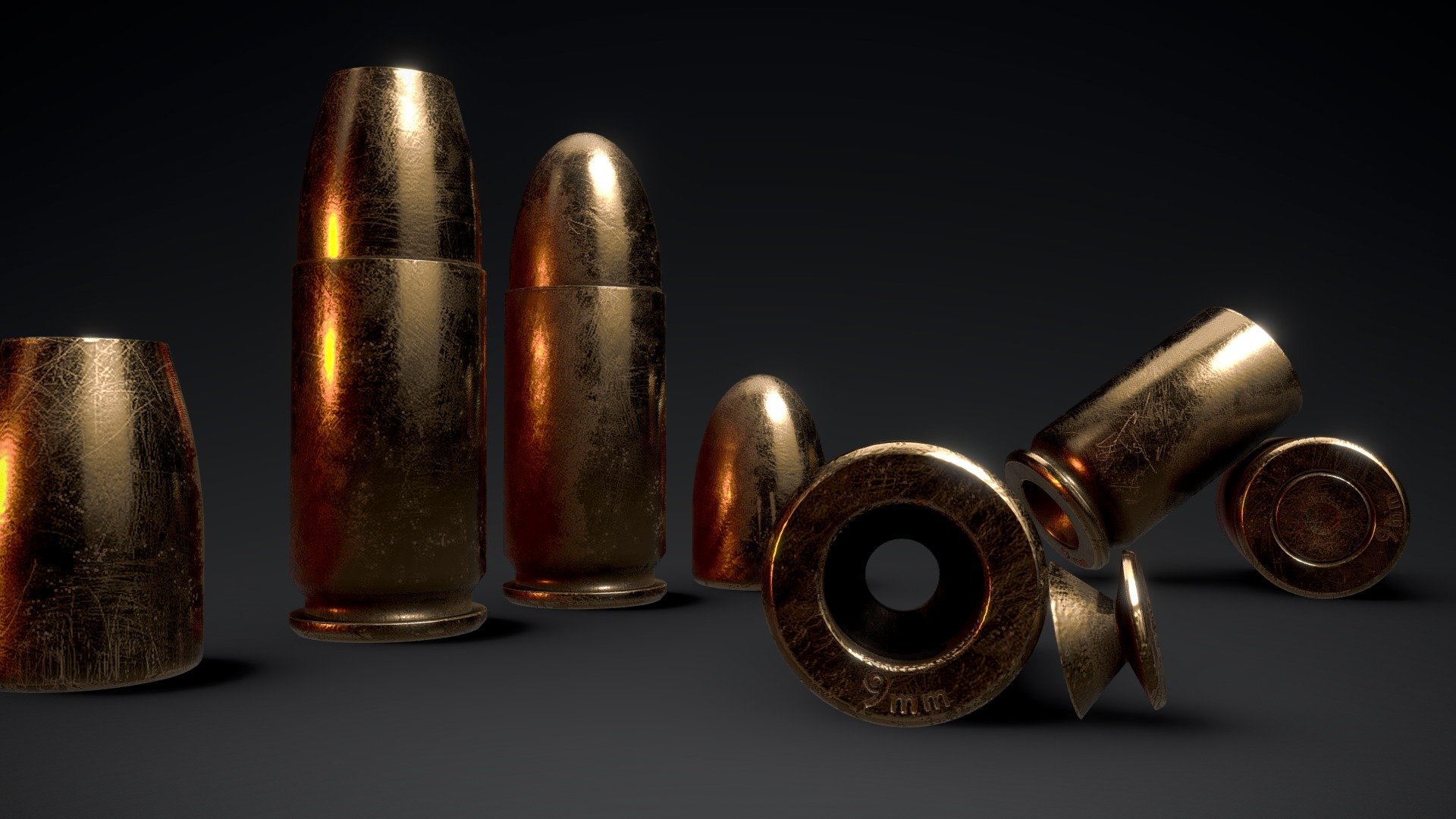
The grain weight, listed as “115 gr” or “147 gr,” measures the bullet’s mass, directly influencing felt recoil and muzzle energy; lighter grains often yield higher velocities, while heavier grains provide deeper penetration. The velocity rating, typically in feet per second (fps), tells you the projectile’s specialty sports speed at the muzzle—critical for evaluating flat trajectory and expansion potential at defensive distances. Bullet style, such as Full Metal Jacket (FMJ) for practice or Jacketed Hollow Point (JHP) for self-defense, dictates terminal performance. Decoding grains, velocity ratings, and bullet style on the box ensures you match the cartridge to your firearm’s purpose. A 124-grain JHP at 1,150 fps often strikes the optimal balance between expansion and barrier penetration.
Q: How do I interpret velocity if the box lists both a barrel length and an fps number?
A: The fps is measured from a specific test barrel, usually longer than your handgun’s, so expect real-world velocity to be 50–100 fps slower.
What +P and +P+ Ammunition Does to Your Handgun’s Performance
Understanding what +P and +P+ ammunition does to your handgun’s performance begins with pressure. These rounds operate at higher chamber pressures than standard SAAMI specs, which translates directly into increased muzzle velocity and flatter trajectory. You gain more energy on target, improving expansion and penetration in defensive loads. However, this performance boost accelerates slide velocity and recoil impulse, making follow-up shots slower and more fatiguing. The harder bolt thrust stresses locking lugs, springs, and frames; prolonged use accelerates wear and can batter the slide stop. Accuracy often degrades after the barrel heats because thinner barrels flex under higher pressure, shifting point of impact. For alloy or polymer frames, +P+ may exceed design limits, risking cracks. Performance is a trade: sharper ballistics for reduced durability and control.
Practical Tips for Storing, Handling, and Extending Shelf Life
Store handgun ammo in a cool, dry place, ideally below 75°F with low humidity, to prevent powder degradation and primer corrosion. Keep rounds in their original factory boxes or airtight, reloadable ammo cans with desiccant packs to block moisture. Handle cartridges by the case, not the bullet, to avoid seating setback—a dangerous issue in autoloaders. Rotate your carry ammunition every six to twelve months, as repeated chambering and exposure to body heat shorten its service life. Moisture is your primary enemy; even lightly corroded brass can cause feeding failures or case ruptures. For long-term storage, seal rounds in vacuum bags or use silica gel, and never oil them—lubricants deactivate primers.
If your ammo fails a visual check—tarnished cases, loose bullets, or cracked primers—discard it immediately; the cost of replacement is trivial compared to a damaged firearm.
Fire or soak suspect rounds in water before disposal to render them inert.
How to Avoid Misfires and Squib Loads with Proper Care
To avoid misfires and squib loads, inspect each cartridge before loading, checking for deeply seated bullets or cracked cases that indicate powder degradation. Store handgun ammo in a cool, dry environment with stable temperatures, as humidity and heat cycles break down primer compounds and propellant. Rotate your 6.5 PRC Ammo for Sale stock regularly, using older ammunition first, and never fire rounds that show corrosion, green residue, or loose bullets. If a shot feels weak or sounds odd, stop immediately and clear the barrel to confirm no obstruction. Proper ammo care prevents dangerous squib loads by ensuring consistent ignition and complete powder burn.
Q: How can I avoid misfires and squib loads with proper care?
A: Keep ammunition sealed in original packaging, add desiccant packs, and label boxes with purchase dates. Replace any rounds that fail to chamber smoothly or show primer indentations from rough handling, since these signal compromised ignition integrity.
Signs Your Ammo Is Too Old or Damaged to Fire Safely
Before loading a single round, scrutinize your handgun ammo for signs your ammo is too old or damaged to fire safely. First, check the cartridge case: look for deep scratches, dents, or greenish corrosion on brass, which weakens the wall and risks a catastrophic rupture. Second, inspect the primer—if it’s pierced, cratered, or missing, the round is inert or a hang-fire hazard. Third, examine the bullet itself; excessive pull, where the projectile moves deeper into the case, signals powder degradation or improper seating. Finally, shake the round—a rattling sound means the powder has broken down or absorbed moisture. Follow this sequence to Handgun Ammo for Sale reject suspect ammunition:
- Visual scan for case cracks or bulges.
- Check primer seating and condition.
- Verify bullet seating depth and 7mm-08 Ammo for Sale nose integrity.
- Perform a gentle rattle test for powder clumping.
Any round failing these checks must be disposed of properly, never fired, as old or damaged ammo is the leading cause of preventable malfunctions and barrel obstructions.
